
One of the predictable harms of LLMs is the ease with which it’s possible to create a convincing fake to impersonate someone or their business.
It’s always been possible to spoof an email address or create a fake website. Solicitors and builders have been common targets of this for years, with their clients at risk of being sent “new bank details” from a fraudster.
While lots of micro businesses may not have been worth targeting before, AI tools have made impersonation trivial to attempt. When Ben and I discussed this recently, he compared it to being as easy as checking the door handles in a car park.
This isn’t a hypothetical risk: I’ve seen small business owners I know adding anti-fraud statements to their sites because of impersonation attempts. I’ve also seen my design work copied verbatim, almost certainly with AI.
And this got me thinking: if anyone can create a convincing rip-off, what are the trust signals to look for in the age of AI?
1. Design
High-quality, unique design has always been a key trust signal. It might be more important than ever now that generative AI can design and create websites.
There’s one risk in particular that’s frequently overlooked: if the original site looks like it was generated by AI, that’s got to make it easier for fraudsters to create a convincing copy. It’s well-known that AI tools lean towards certain styles and design techniques: impersonators will be using the same tools with the same biases.
Of course, it’s possible for humans to produce designs that feel like the work of an LLM, but experienced designers are less likely to make the same implementation choices – or mistakes – as an LLM. They’ll be factoring in user experience, accessibility and other considerations that will often lead to a different outcome.
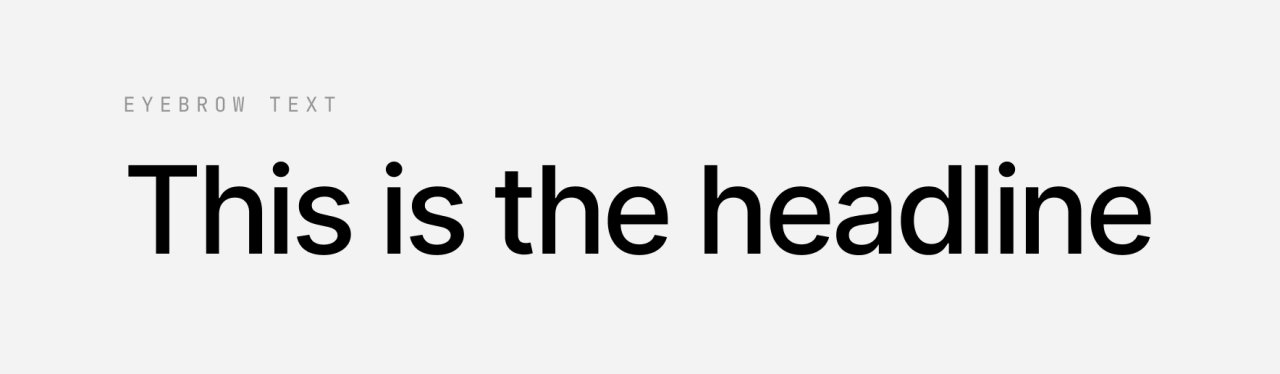
Kicker/eyebrow text is a frequently cited “AI tell” and a good example of this. In the example below, the kicker is styled like AI output: the text is too small, thin, light in colour, and the letter-spacing is too wide.
This second example is much closer to what designers would produce: small text at a readable size, good contrast to the background, a better font-weight and reasonable letter-spacing;
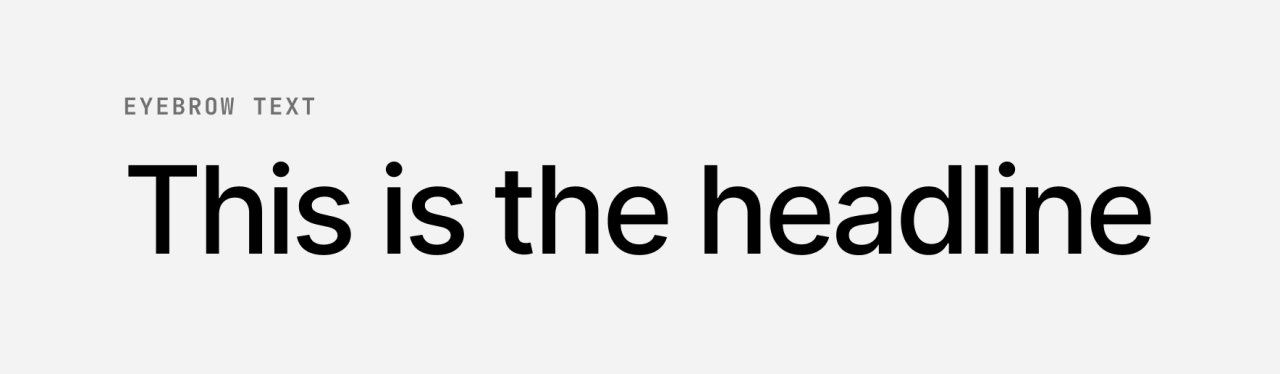
Choices like this and typeface substitutions are the types of detail that add up to give away a fake site. But if the original site unintentionally includes lots of these hallmarks and looks like it was created by an LLM, it’s naturally an easier target for fraudsters to create a plausible clone.
Delivery phishing scammers prey on the same vulnerability. Genuine text messages from deliveries already look like scam messages, so it’s easy for scammers to mimic:
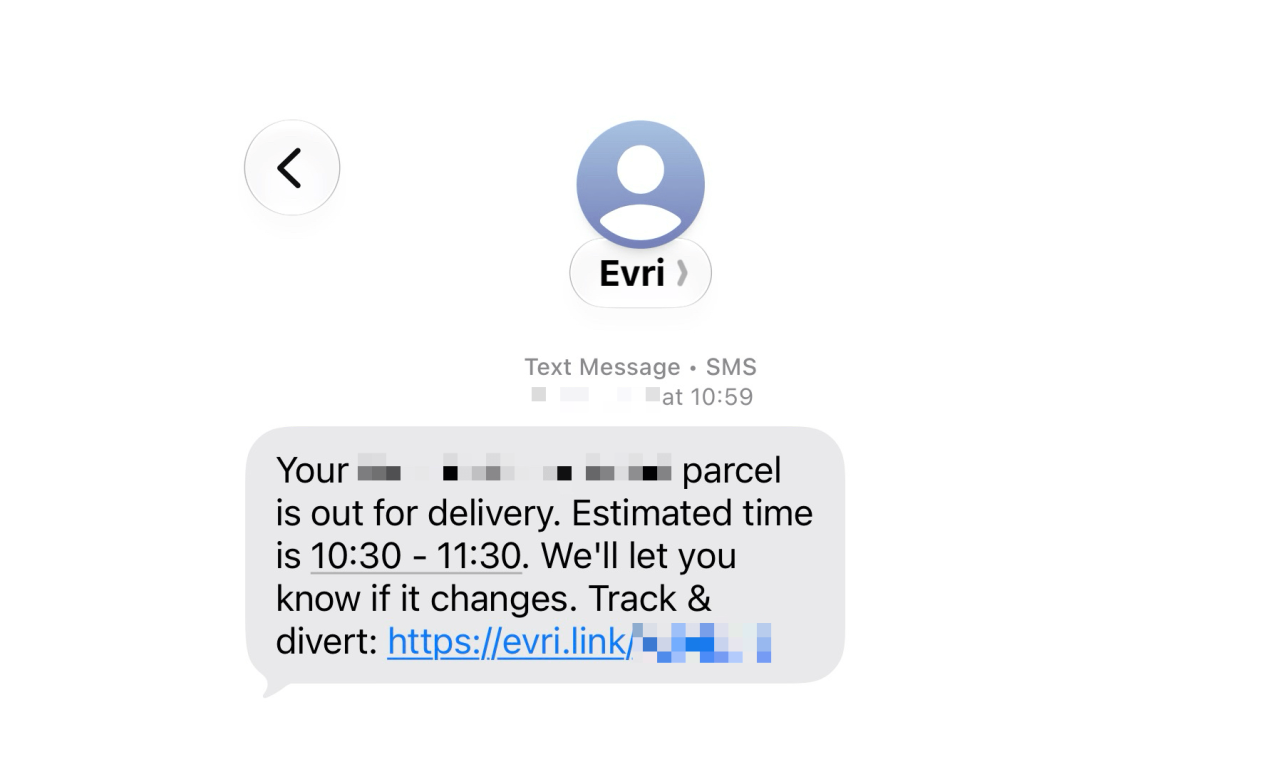
That’s not to say a bespoke design cannot be copied by generative AI tools. But a combination of high-quality details around type, colour and layout make sites less of an easy target as it takes more time and effort to convincingly replicate.
2. Content
Writing copy that reads and sounds like the people behind the business is another good indicator. It helps a site stand out, if nothing else: so much new web content is obviously LLM output with no connection to the people behind it.
Just like design, I don’t subscribe to the idea that a single use of em-dashes, use of the rule of three or it’s not x, it’s y indicates generated content. But lots of websites and blog posts I come across are full of generative AI tropes that leave no doubt about how it was created.
There’s nothing to stop scammers copying words verbatim, but there are other ways that human-sounding copy could boost trust. For example:
The copy is more likely to accurately and specifically describe what a business does, in their own voice
It’s likely the voice in a site’s copy carries through to communication in areas fraudsters won’t see, like emails and calls
Content will be easier to understand: LLMs write in a curious way frequently adding mixed/incoherent metaphors that are difficult for humans to understand
I’m not suggesting to avoid LLMs entirely, but I would consider taking a pass at writing the final copy from scratch. That effort will significantly reduce the chances of a site reading with the cadence and inhuman style of an LLM.
3. Email
Email is another part of the puzzle because social engineering is such a common vector.
Anyone who has set up email from a custom domain will probably have come across SPF and DKIM records. But even with these in place, it’s possible to spoof custom domains, like @customdomain.com.
DMARC records deal with this and need to be set up on parked domains, too (these are other domains a business owns but doesn’t use for email). Lots of email providers started recommending this over the last few years, but it’s still a frequently overlooked step.
The National Cyber Security Centre has published a useful tool to check a domain’s email configuration.
Nothing’s perfect
None of these steps completely remove the risk of fraudsters targeting a business or their customers. But in a time where we’re all being encouraged to prioritise speed over quality, accepting the mediocrity of LLM output, making some extra effort might help to make a business less of an easy target.
Explore
Using video for design feedback
22 May 2020